

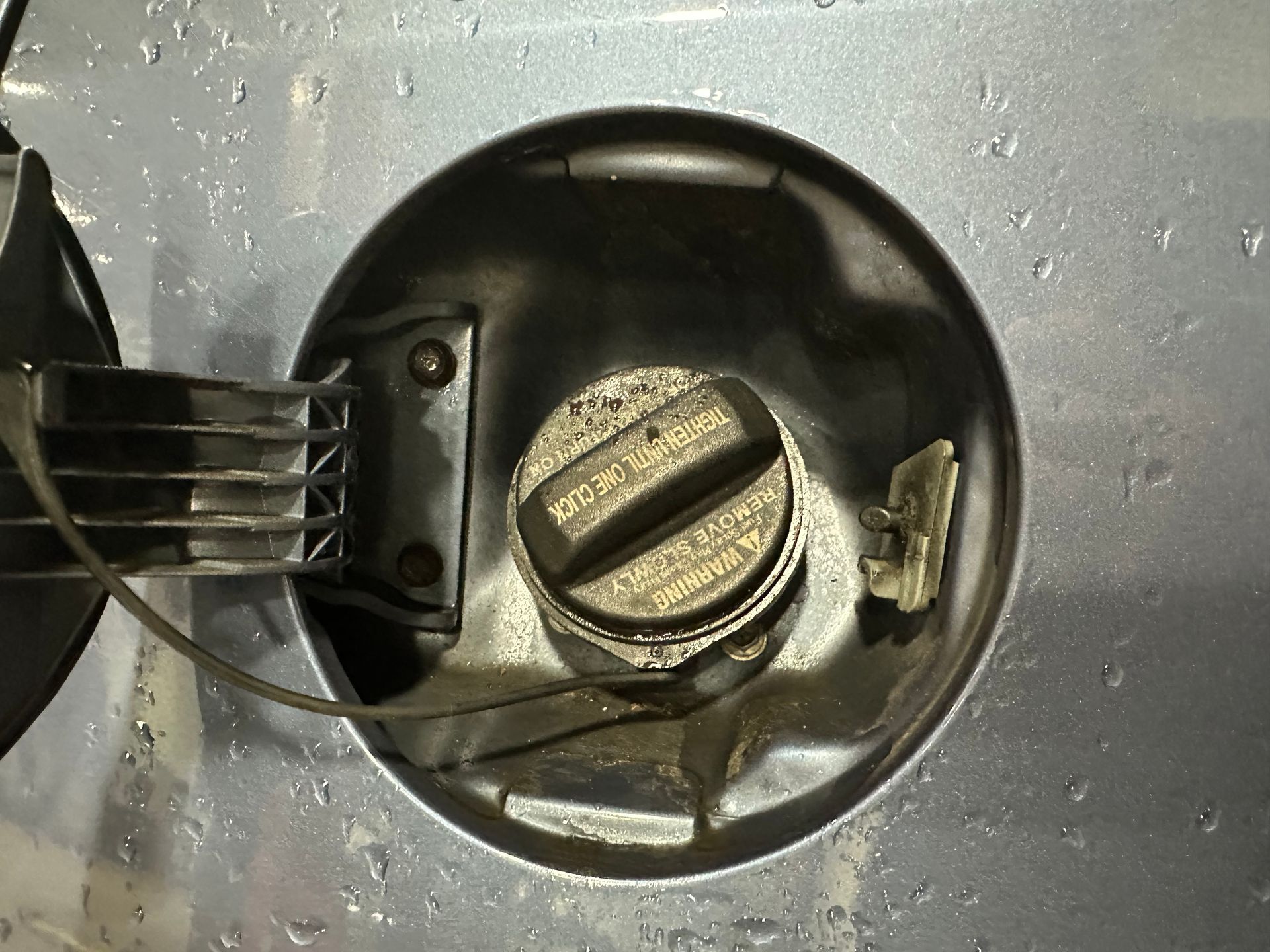
If you’ve ever stepped out of your car and caught a strong gasoline smell—or worse, noticed it inside the cabin, it’s understandably unsettling. Most drivers ask us the same question in the waiting area: “Is this dangerous, or just annoying?” The short answer is that a fuel smell is never something to ignore. The good news is that many causes are straightforward to diagnose once you know where to look.
From years of working on customer vehicles, we can tell you this: when a car smells like gas, it’s usually trying to tell you something specific. Let’s walk through what that smell means, why it happens, and what we typically see in the shop.
What Does a Gasoline Smell Usually Mean?
Gasoline is designed to stay sealed inside the fuel system- from the tank, through the fuel lines, and into the engine. When you smell fuel, it usually means vapors or liquid fuel are escaping somewhere they shouldn’t.
Sometimes it’s minor. Other times, it’s a sign of a safety issue. The challenge is that the smell alone doesn’t tell you how serious it is... that’s where proper diagnosis matters.
Common Reasons Your Car Smells Like Gas
Here are the most common causes we see in real-world shop conditions:
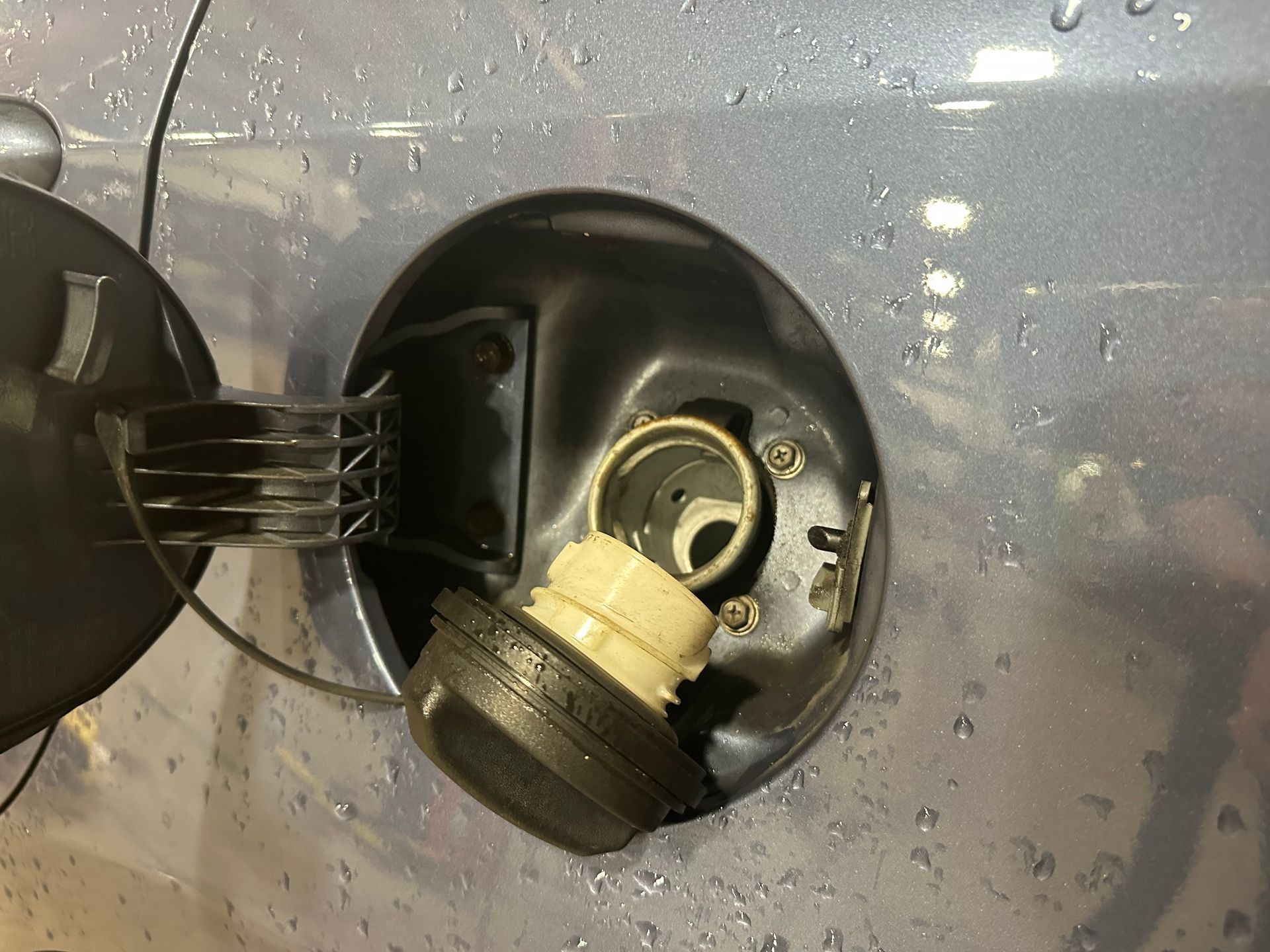
1. Loose or Damaged Gas Cap
This is the simplest and most common cause. If the gas cap isn’t tightened properly or the seal is worn out, fuel vapors can escape- especially after filling up.
What customers notice:
- Gas smell after refueling
- Check engine light may come on
- Smell fades after driving a bit
We often see this after someone fills up in a hurry or during cold weather when rubber seals stiffen.
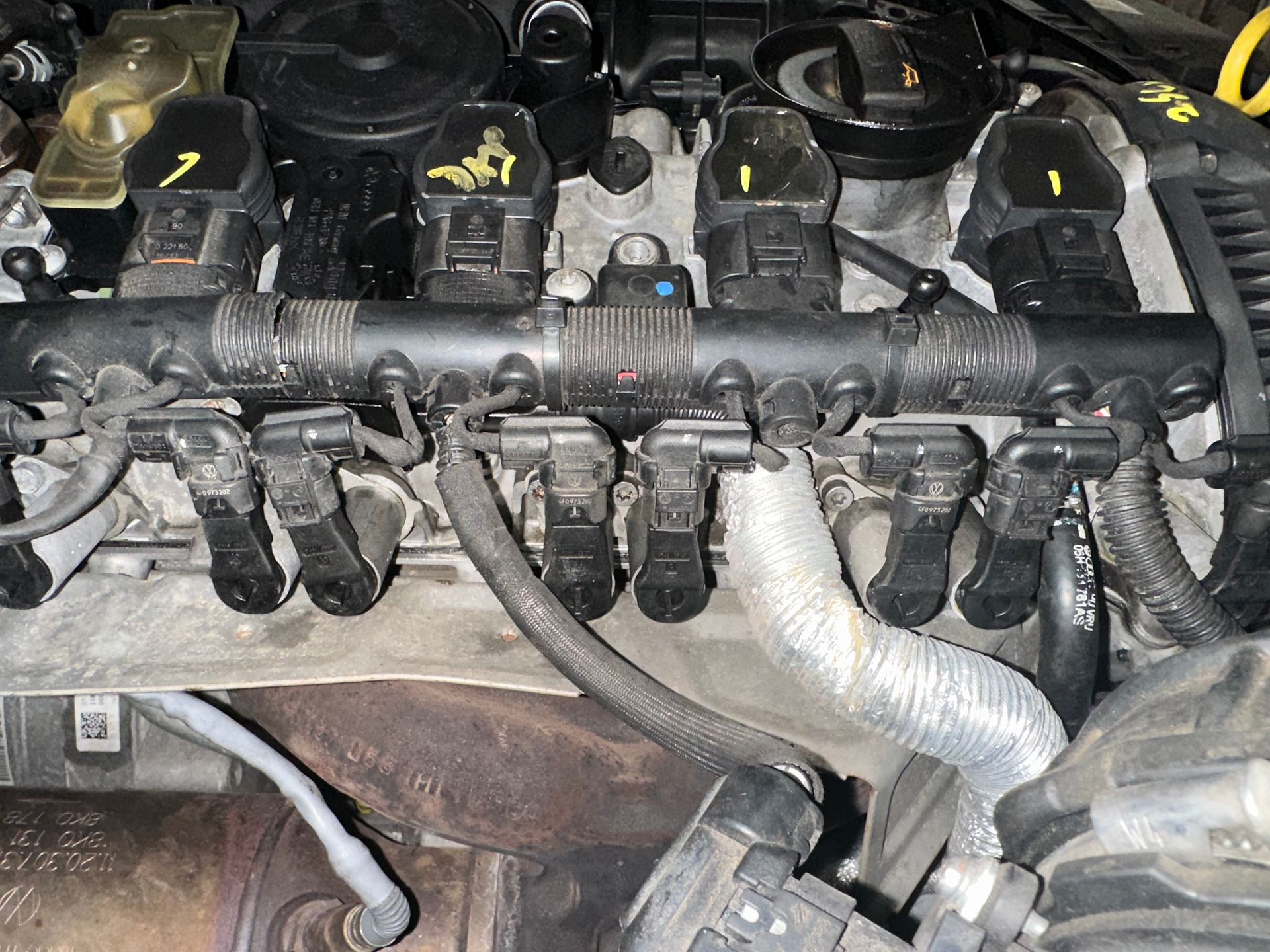
2. Fuel Leaks (Lines, Injectors, or Tank)
Fuel lines carry gasoline under pressure. Over time, rubber hoses can crack, metal lines can corrode, or fittings can loosen. Fuel injectors can also leak at their seals.
What customers notice:
- Strong gas smell, especially when parked
- Smell under the hood or near the rear of the car
- Possible drops or stains under the vehicle
This is one of those issues people sometimes hope will “go away.” It won’t and it can become a fire risk if ignored.
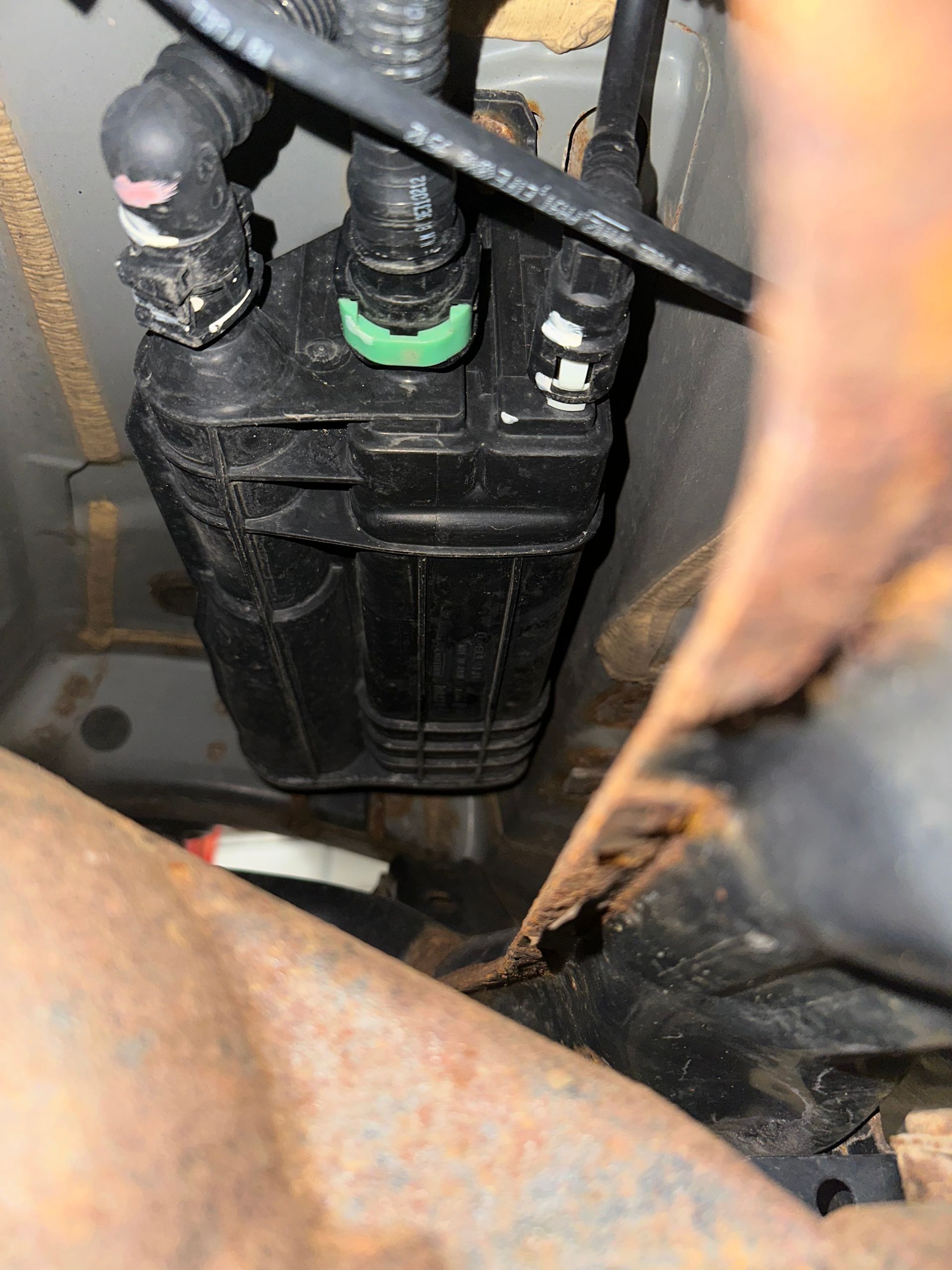
3. Evaporative Emissions (EVAP) System Problems
Your car has an EVAP system designed to capture fuel vapors and burn them in the engine instead of releasing them into the air. When a component fails, like a purge valve, vent valve, or charcoal canister- vapors can escape.
What customers notice:
- Gas smell without visible leaks
- Check engine light
- Smell more noticeable in warm weather
Many drivers assume EVAP issues are “just emissions” and not urgent. In reality, they often cause persistent fuel odors and can affect drivability over time.
4. Engine Running Too Rich
“Running rich” means the engine is using more fuel than it should. This can happen due to faulty sensors, injectors, or engine management issues.
What customers notice:
- Gas smell from the exhaust
- Poor fuel economy
- Rough running or hard starts
We see this fairly often on vehicles with aging sensors. The smell is subtle at first but becomes more noticeable as efficiency drops.
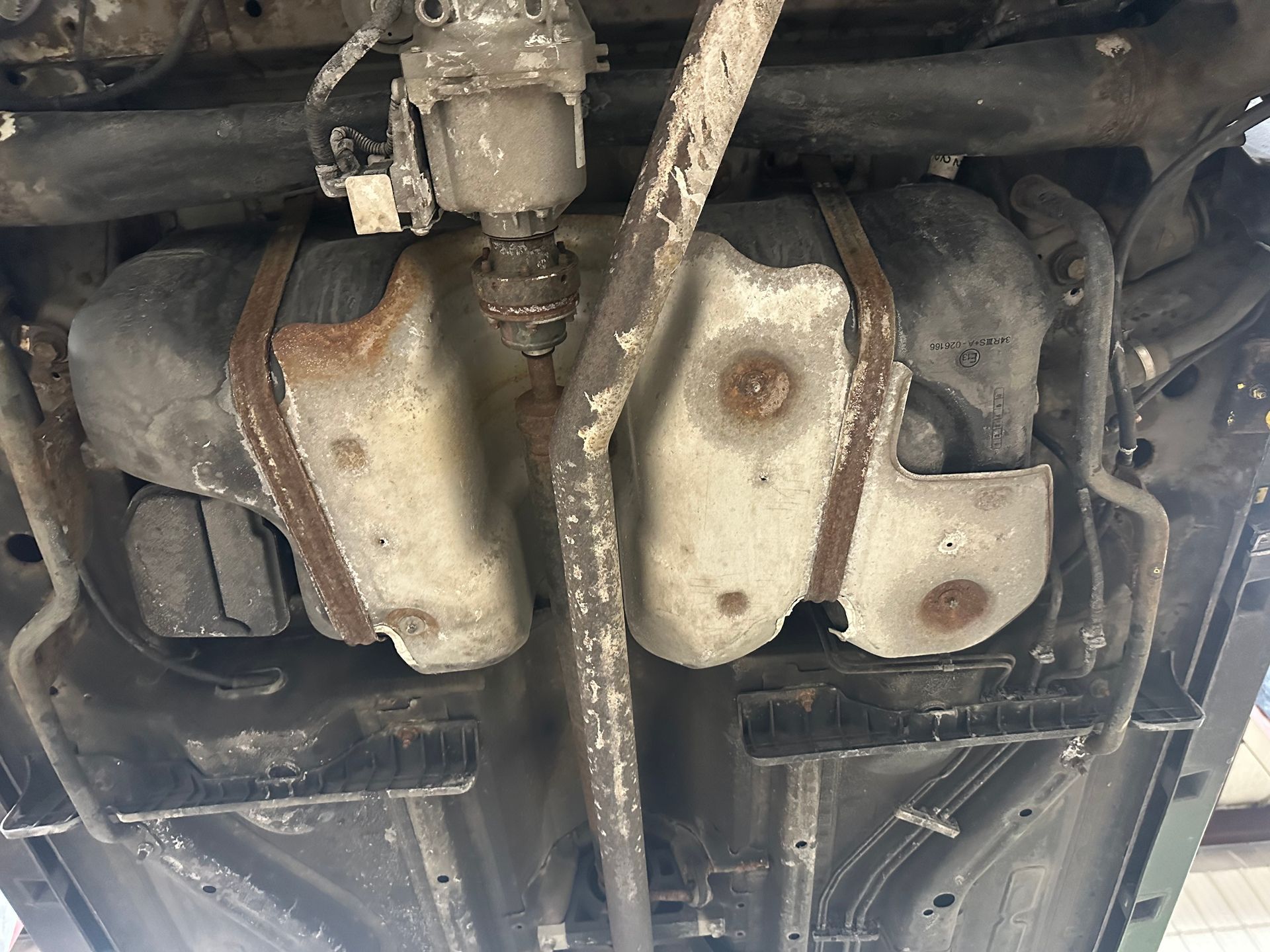
5. Fuel Spills or Saturated Components
Sometimes the smell isn’t a mechanical failure at all. Fuel spilled during refueling can soak into underbody panels or evaporate slowly, especially in colder weather.
What customers notice:
- Smell after filling up
- No warning lights
- Smell fades over a few days
This is usually harmless but only if it truly is a one-time spill. If the smell keeps coming back, something else is going on.
Is It Safe to Drive If You Smell Gas?
This is one of the most common questions we hear. The honest answer is: it depends on the cause.
A faint smell right after fueling might not be an emergency. A strong or persistent gasoline odor, especially inside the cabin, should be taken seriously.
Fuel vapors are flammable, and even small leaks can worsen quickly. If the smell is strong, you see fuel on the ground, or you feel lightheaded while driving, it’s best not to continue driving until the vehicle is inspected.
Why Proper Diagnosis Matters
Fuel systems are more complex than they used to be. What smells like a simple leak could actually be a failing valve, a pressure issue, or a sensor problem causing excess fuel.
We often see customers replace a gas cap or ignore a warning light, only to come back weeks later with the same smell or a bigger repair. A proper inspection allows technicians to:
- Safely locate the source of the odor
- Check fuel pressure and vapor containment
- Prevent minor issues from becoming safety hazards
In many cases, catching the problem early saves time, money, and stress.
A Few Practical Tips From the Shop
- Don’t ignore recurring fuel smells, even if the car “seems fine.”
- Pay attention to when the smell happens- after refueling, when parked, or while driving.
- If the smell is inside the cabin, have it checked sooner rather than later.
- Avoid assuming it’s “just old car smell.” Gasoline odors are distinct for a reason.
When to Have It Checked
If your car smells like gasoline more than once, or the odor is strong, persistent, or accompanied by a warning light, it’s worth having a professional inspection. A trained technician can pinpoint the cause and explain what’s going on before it turns into a bigger issue.
If any of the symptoms described here sound familiar, scheduling an inspection can provide peace of mind and help keep your vehicle safe and reliable.
Does your vehicle smell like gasoline? We can help! Lou's Car Care & Fleet Services has been proudly serving Baldwinsville, NY, and surrounding communities since 1976. Call us or schedule your next appointment online today!
Let's Connect! Click on the links below to stay in touch with the Lou's Car Care Community: