

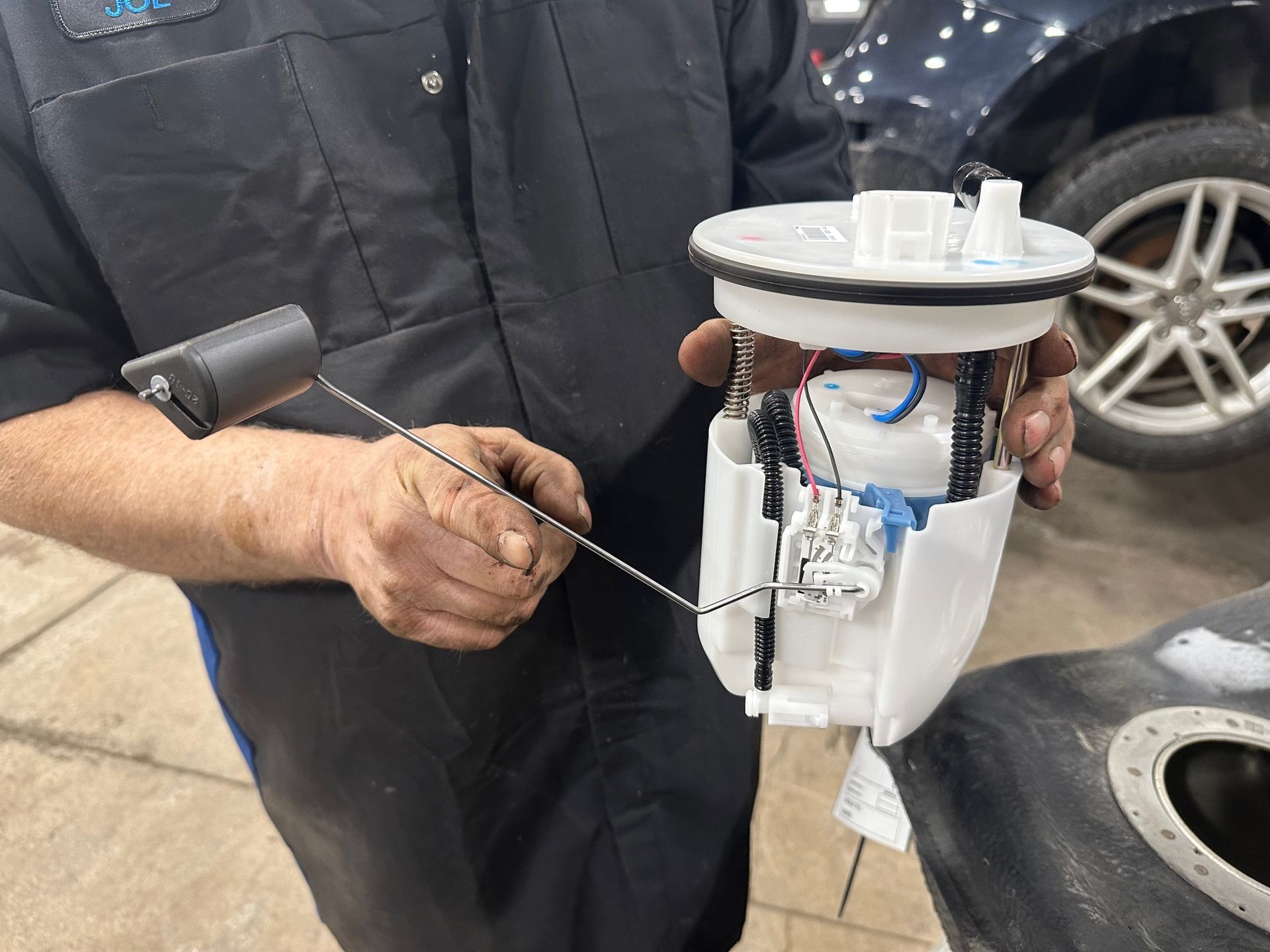
If your vehicle has been struggling to start, losing power, or just not running the way it normally does, you may have come across the term fuel pump. It’s not a part most drivers think about often—until something starts going wrong.
As technicians, we explain fuel pump issues to customers every week, especially when a car suddenly won’t start or begins stalling without warning. So, let’s walk through what a fuel pump actually does, why it fails, and what signs you might notice early on.
What Does a Fuel Pump Do?
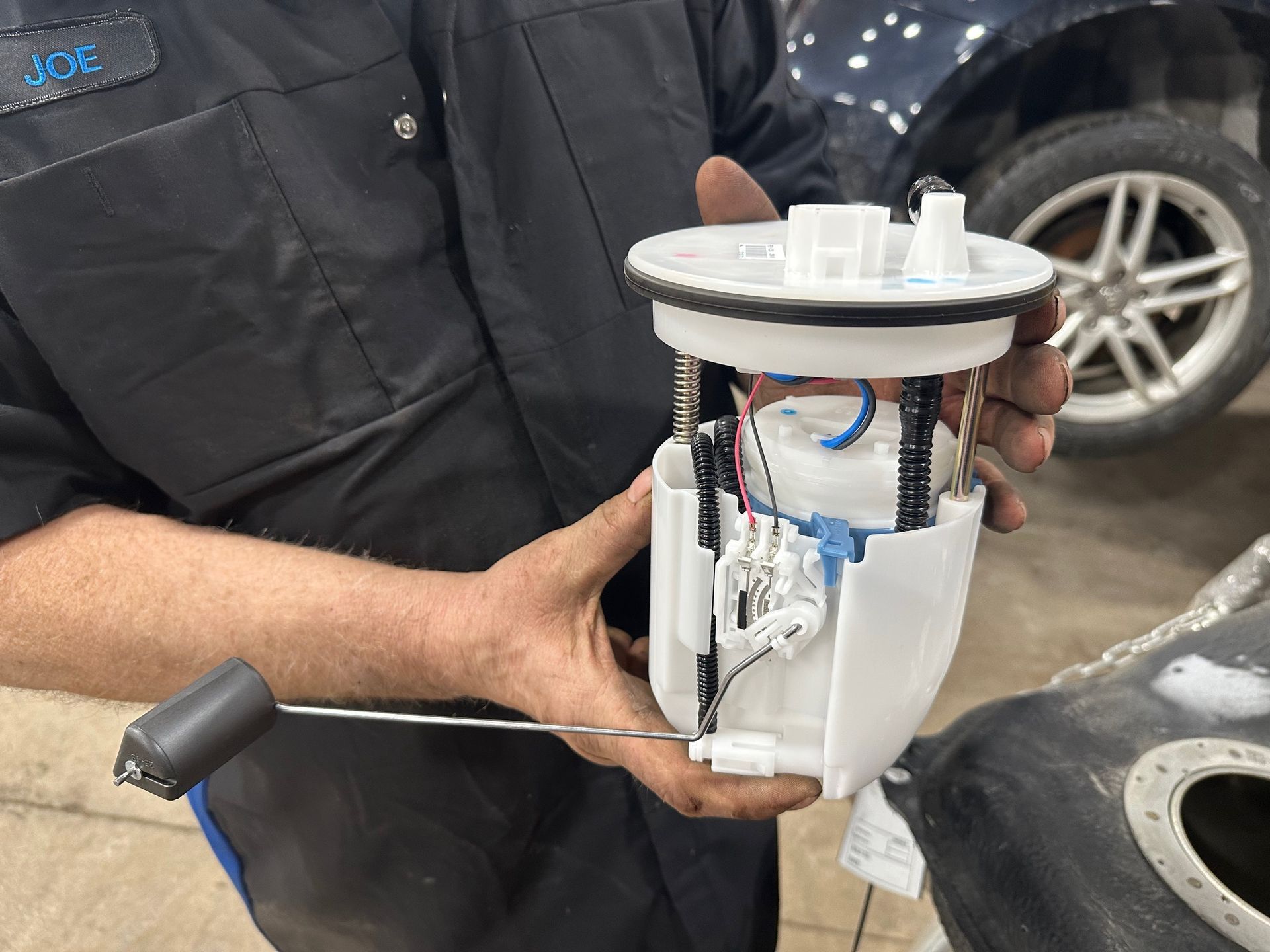
Simply put, the fuel pump moves gasoline (or diesel) from your fuel tank to the engine.
Your engine can’t run unless it gets fuel at the correct pressure and in the right amount. The fuel pump’s job is to deliver that fuel consistently so the engine can start, idle smoothly, accelerate, and operate normally.
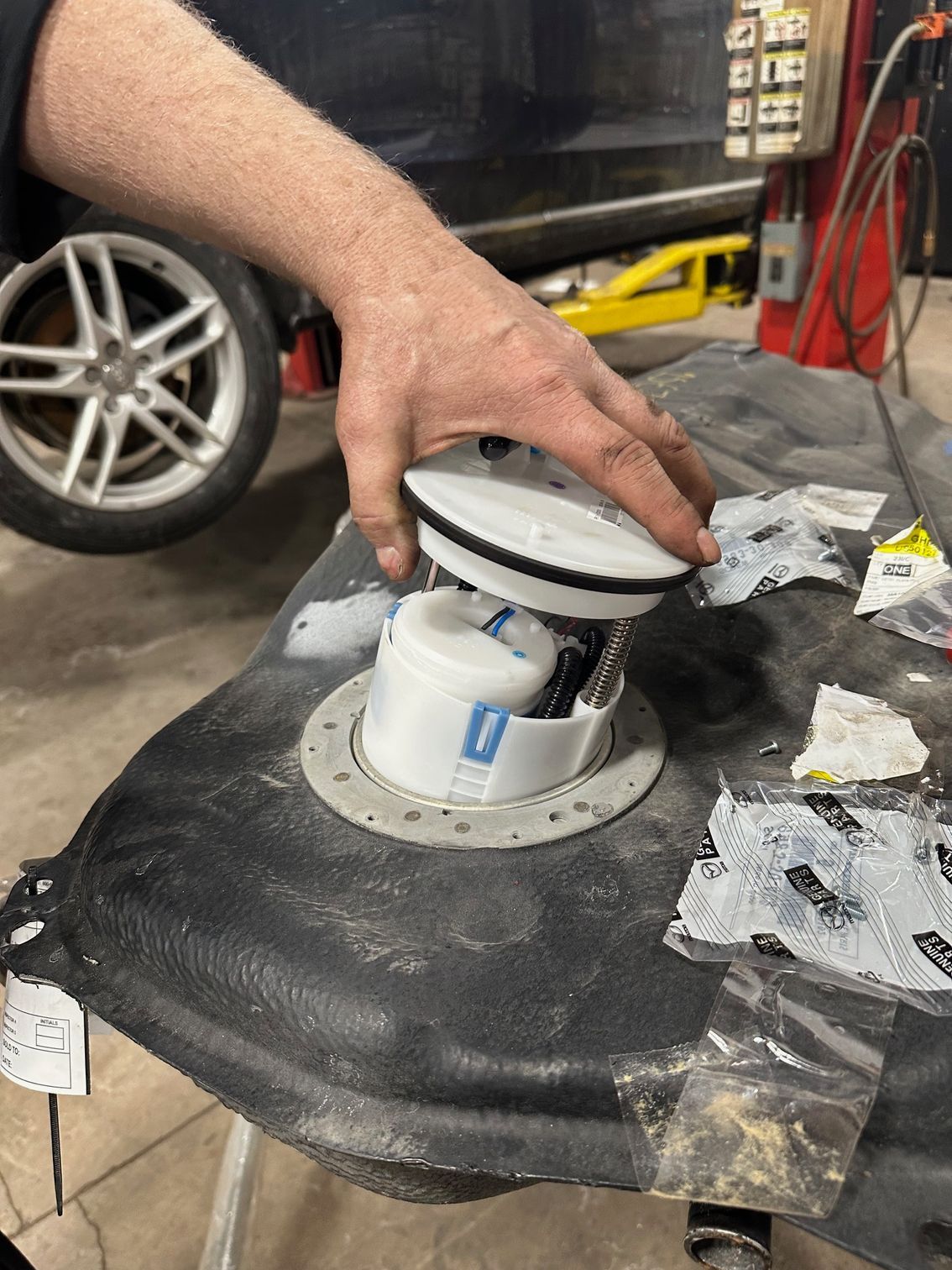
Most modern vehicles use an electric fuel pump, usually located inside the fuel tank. It turns on when you start the car and continues running while the engine is operating.
You won’t hear much from it when it’s working correctly, and that’s the point. It’s meant to quietly do its job in the background.
WHY FUEL PUMPS FAIL
Fuel pumps don’t usually fail all at once without giving some warning. In the shop, we tend to see fuel pump problems develop over time.
Some common reasons include:
Normal Wear Over The Years
Like any moving component, fuel pumps wear out eventually. They work every time you drive, and after enough miles, internal parts can weaken.
Running The Tank Too Low Too Often
This surprises a lot of people. Fuel in the tank helps cool the pump, since it sits submerged in gasoline. Driving regularly on “empty” can cause the pump to run hotter, shortening its lifespan.
Contaminated Fuel Or Debris
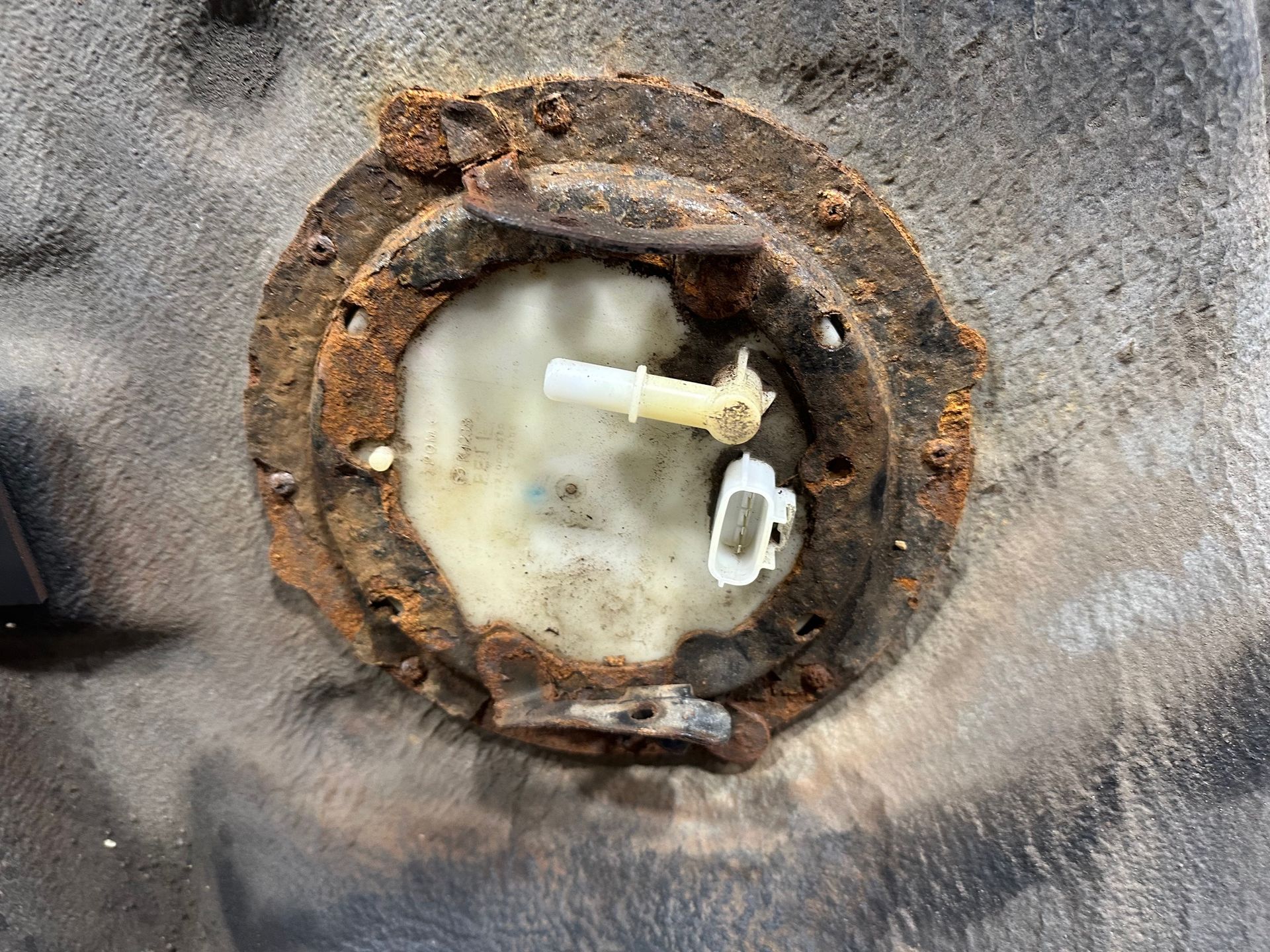
Dirt, rust, or water in the fuel system can strain the pump or clog the fuel filter. We sometimes see this after a vehicle has sat for a long time or has been filled from a questionable source.
Electrical Issues
Sometimes the pump itself isn’t the only problem. A failing relay, wiring issue, or control module can prevent the pump from receiving power.
That’s why diagnosis matters so much.
COMMON SYMPTOMS OF A BAD FUEL PUMP
Fuel pump problems can look like several other engine issues, which is where things get confusing for many drivers.
Here are the most common warning signs customers report:
Trouble starting the vehicle
If the pump isn’t building enough pressure, the engine may crank longer than usual or not start at all.
A lot of people assume it’s the battery or starter at first, and sometimes it is, but fuel delivery is another major possibility.
Engine sputtering or hesitation
If the pump can’t keep up with demand, the engine may stumble, especially when accelerating or driving uphill.
Loss of power at higher speeds
We often hear:
“It drives fine around town, but on the highway it feels weak.”
That can be a classic fuel pump pressure issue.
Stalling while driving
A failing pump may cut out intermittently, causing sudden stalling at stoplights or even while moving.
That’s understandably stressful when it happens.
Whining noise from the fuel tank
A healthy fuel pump makes a soft hum. A loud whining or buzzing sound can indicate the pump is struggling.
Decreased fuel efficiency
When fuel pressure is inconsistent, the engine may not run as efficiently, which can lead to more frequent fill-ups.

COMMON MISUNDERSTANDINGS WE SEE IN THE SHOP
Fuel pump concerns often come with a few understandable assumptions:
- “If the car starts, the fuel pump must be fine.”
Not always. Weak pumps can still work sometimes, especially when cold.
- “It has to be bad gas.”
Bad fuel is possible, but fuel pump wear is much more common.
- “The check engine light didn’t come on, so it can’t be serious.”
Fuel pressure issues don’t always trigger a warning light right away.
These are exactly the kinds of situations where testing is more reliable than guessing.

WHY PROPER DIAGNOSIS MATTERS
Fuel pump replacement isn’t something you want to do based on a hunch.
In a professional shop, we test for:
- Fuel pressure and volume
- Electrical power and ground to the pump
- Fuel filter restrictions
- Related sensor or relay issues
Many drivability symptoms overlap with problems like ignition failures, clogged injectors, or airflow sensor issues. Replacing parts without confirming the cause can get expensive fast.
A proper diagnosis ensures the real problem is fixed the first time.
PRACTICAL ADVICE IF YOU SUSPECT A FUEL PUMP PROBLEM
If your vehicle is showing signs of fuel delivery trouble, a few tips can help:
- Avoid repeatedly running the tank very low
- Don’t ignore early hesitation or sputtering
- If the vehicle stalls or won’t start, don’t keep cranking excessively
- Get it inspected before you end up stranded
Fuel pump issues tend to worsen, not improve.
WHEN TO SCHEDULE A FUEL SYSTEM INSPECTION
If you’re experiencing hard starts, stalling, power loss, or unusual whining from the fuel tank, it’s worth having your fuel system checked by an experienced technician.
A quick inspection and pressure test can often give clear answers and help you avoid unexpected breakdowns.
If the symptoms sound familiar, scheduling a professional diagnosis is a smart next step—just to get peace of mind and keep your vehicle running safely and reliably.
Does your vehicle need a new fuel pump? We can help! Lou's Car Care & Fleet Services has been proudly serving Baldwinsville, NY, and surrounding communities since 1976. Call us or schedule your next appointment online today!
Let's Connect! Click on the links below to stay in touch with the Lou's Car Care Community: